Private capital for horizontal development across the Southeast.
We finance the land, the entitlements and the site work that turn raw acreage into builder-ready lots, working with developers we've known for decades. The return comes when the finished lots sell.
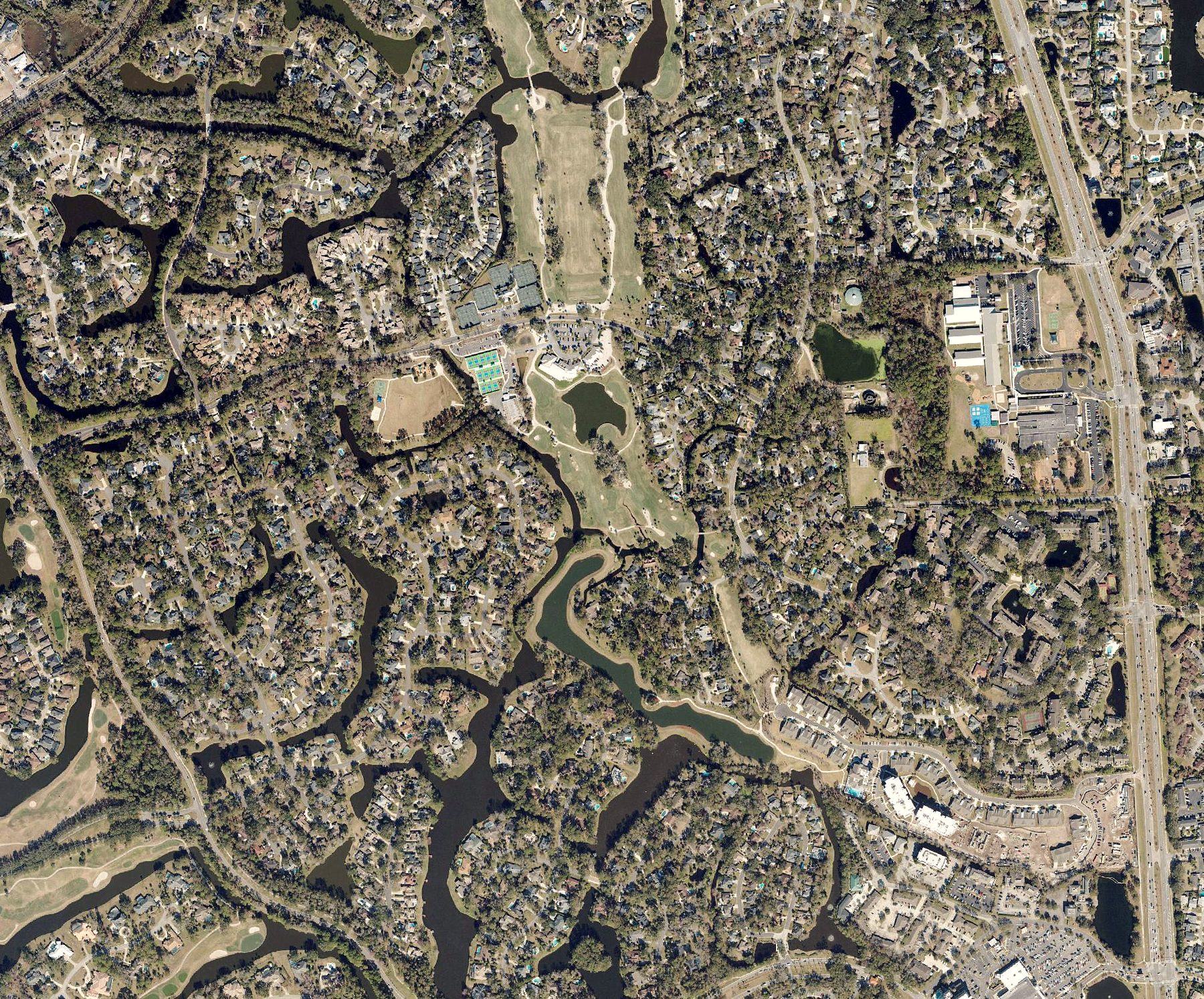
Marsh Landing, Ponte Vedra Beach. Developed by Chester Stokes beginning in 1986. Aerial imagery: USDA NAIP.
- Development practice since 1973
- Florida, Georgia and the Carolinas
- Office in Jacksonville Beach
The work between raw land and a house.
Every subdivision starts as a piece of raw land that somebody has to entitle, engineer and cut roads through before a single house can be framed. That stretch of work is called horizontal development, and for most of the years since the last downturn, the banks that used to finance it have stayed out of the business.
We're in it. Stokes Capital Management puts up the capital for the land and the site work, our developer partners run the job, and we get paid when builder-ready lots are delivered and sold to homebuilders. It's a narrow trade. We know it well, and there is a good deal more demand for it in the Southeast than there is money willing to do it.
Land acquisition
Parcels in growth corridors we already know, usually before they're marketed. Six decades of relationships mean the phone tends to ring here first.
Horizontal development
Zoning, entitlements, civil engineering and permitting, then the roads, water, sewer and stormwater. Our partners manage the work and we fund it in draws as it gets done.
Value creation
Finished lots go to national and regional homebuilders, sometimes through a joint venture. Now and then the better exit is selling the entitled parcel to an institutional buyer.
The value in a subdivision is created before the first house is framed.
A tract with approvals, roads and utilities is worth a great deal more than the same tract without them, and that gap is where we work. We stop at the finished lot. Vertical construction, sales centers and model homes belong to the builders, and we're glad to leave them there.
The Southeast has been growing faster than it can add lots for a long time now. Florida, Georgia and the Carolinas absorbed a decade of in-migration without a lot pipeline to match, which is why builders here are chronically short of finished inventory and why they pay for it.
Banks pulled back from raw land after the last downturn and never came back in size. The regional developers who kept building through it still have projects. What they need is a capital partner who understands entitlement risk and can move without a committee, and that is a short list.
Deal flow finds us. Chester Stokes has developed land in Northeast Florida since 1973, and the developers, engineers and brokers who have worked with him bring opportunities to this office before they get packaged and shopped.
From raw acreage to a lot a builder can pull a permit on.
Four stages. The drawing follows along as you scroll.
Acquire
We look at a great deal of land and buy very little of it. What gets bought sits in a corridor we understand, with an entitlement path we can see and builders within driving distance who need lots.
Entitle
The slow part. Land use, zoning, wetlands, concurrency, permits. Fifty years of working with planning staff and boards doesn't guarantee an approval, but it shortens the road to one.
Build the infrastructure
Civil plans become roads, water, sewer and drainage. Capital goes out in draws tied to completed, inspected work, so the money follows progress instead of leading it.
Deliver the lots
Builder-ready lots go to homebuilders, usually in phases. Sometimes the right exit is a joint venture, or a sale of the entitled parcel to an institutional buyer. Either way we're out before vertical.
Northeast Florida first, then the rest of the Southeast.
The office is in Jacksonville Beach, and most of what we look at is within a few hours' drive of it, in Florida, Georgia and the Carolinas, because that's where the relationships are. We'll go further for the right parcel with the right partner, and we usually don't have to.
FloridaGeorgiaSouth CarolinaNorth Carolina
A development practice that predates the firm by a few decades.
Chester Stokes starts developing residential land in Jacksonville.
Marsh Landing in Ponte Vedra Beach: a gated golf community of more than 1,100 homes around an Arnold Palmer course.
Residential, commercial and industrial work across Florida and Georgia.
Samara Lakes in St. Augustine, Talavera, and Destination Resorts at Amelia Island. Named NEFBA Builder of the Year.
Buying carefully through the recovery and assembling entitled, development-ready parcels ahead of the growth that followed.
Stokes Capital Management finances horizontal development across Florida, Georgia and the Carolinas.
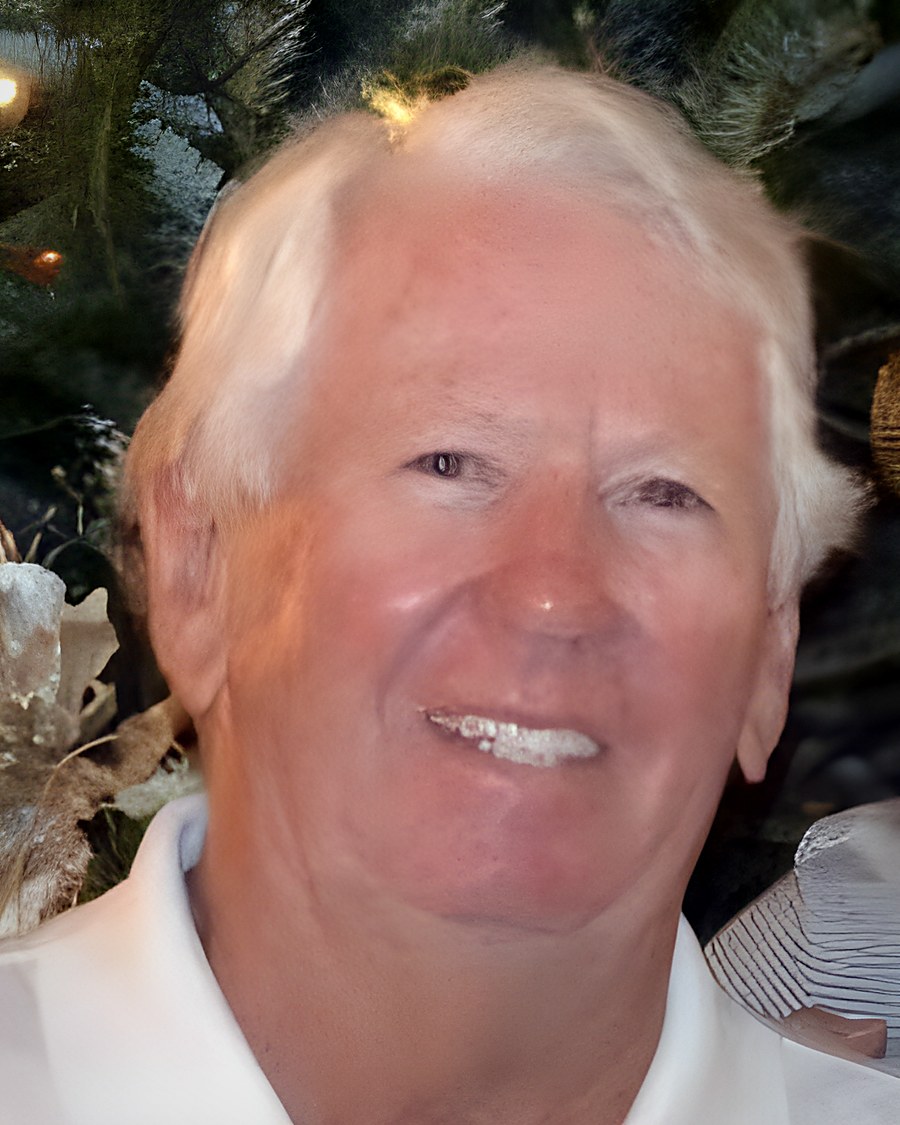
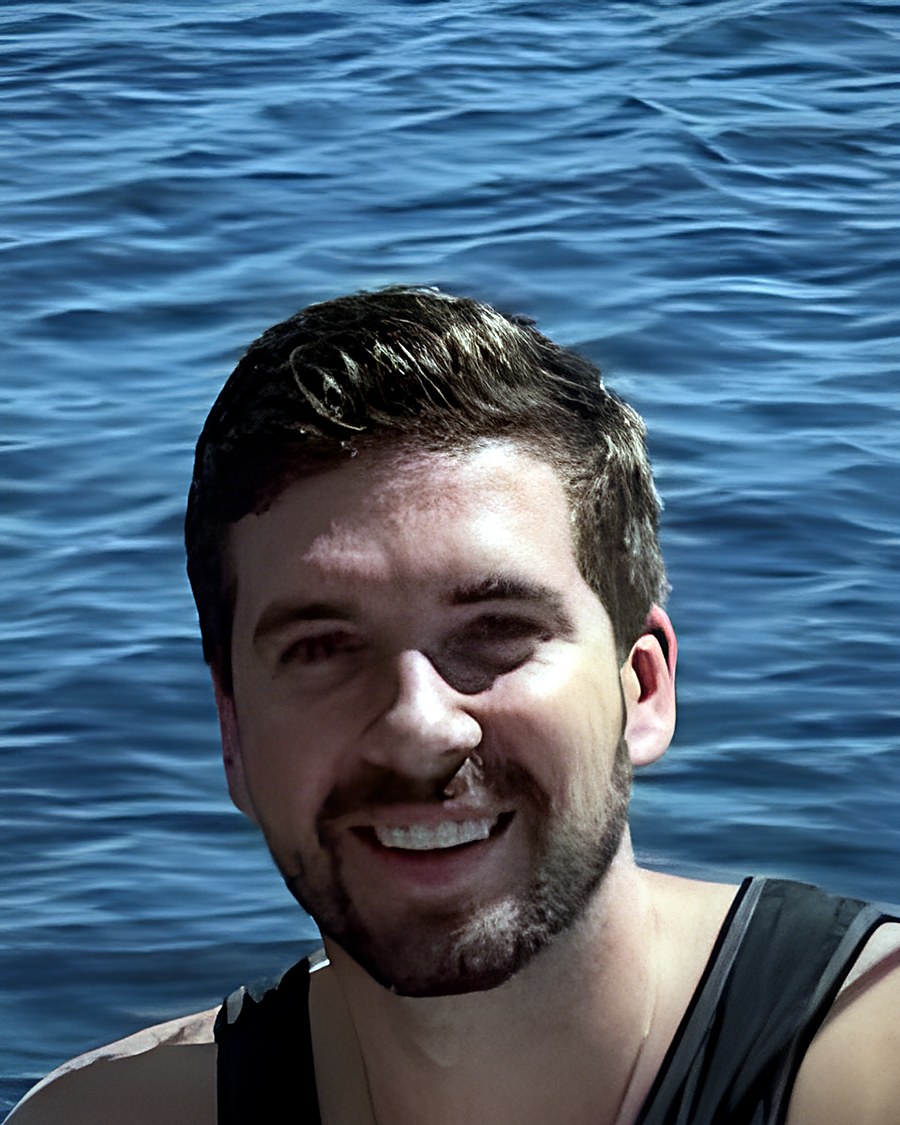
A founder with fifty years in the ground, and the team around him.


If you have a parcel, we'd like to see it.
Developers with a site, landowners with acreage, builders who need lots, and accredited investors who want to understand the strategy. Send a note and someone here will read it.